
Products & Formulation
Category playbooks and the actives driving today's best sellers.

Makeup Remover & Cleansing Balm OEM: 3 Removal Routes
Makeup remover OEM splits into three removal mechanisms, not three textures: micellar water, cleansing oil and cleansing balm each fail differently. Melt point, emulsifier load and peroxide value decide your sampling window, not the ingredient list.
Read Article →Fragrance & Perfume OEM: Low MOQ, Class 3 Freight
Perfume minimums start at 1,000 bottles per SKU, lower than skincare, but alcohol-based fragrance ships as UN1266 Class 3 dangerous goods and the EU allergen list expanded to 82 substances on 31 July 2026. How to sequence a fragrance brief.
Read Article →Soothing & Sensitive Skin OEM: The Claim Decides the Formula
In soothing skincare the regulatory risk sits in the verb, not the percentage. Menthol and capsaicin tiers, arnica and tea tree claim limits, centella basis, and the EU 655/2013 criteria that bite hardest.
Read Article →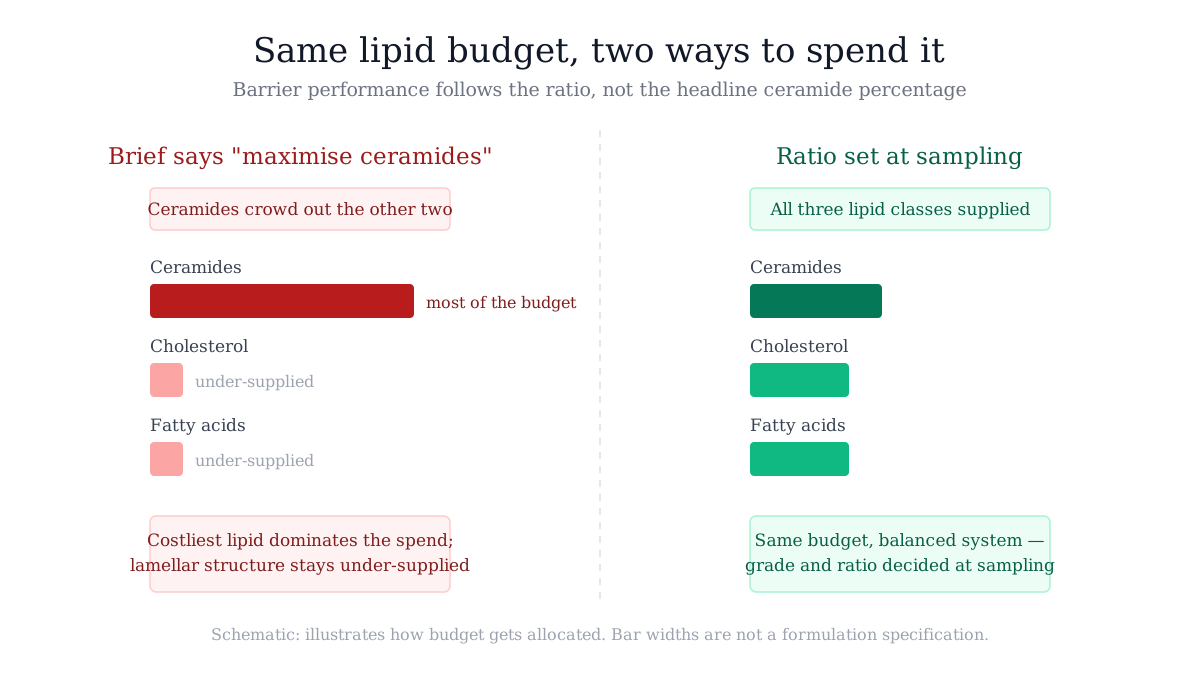
Hydrating & Barrier Repair OEM: Ceramide Ratio Over Percentage
A higher ceramide percentage is the wrong lever. Barrier performance follows the lipid ratio, not the headline number. Ceramide grades, centella basis, HA ceilings and claim limits.
Read Article →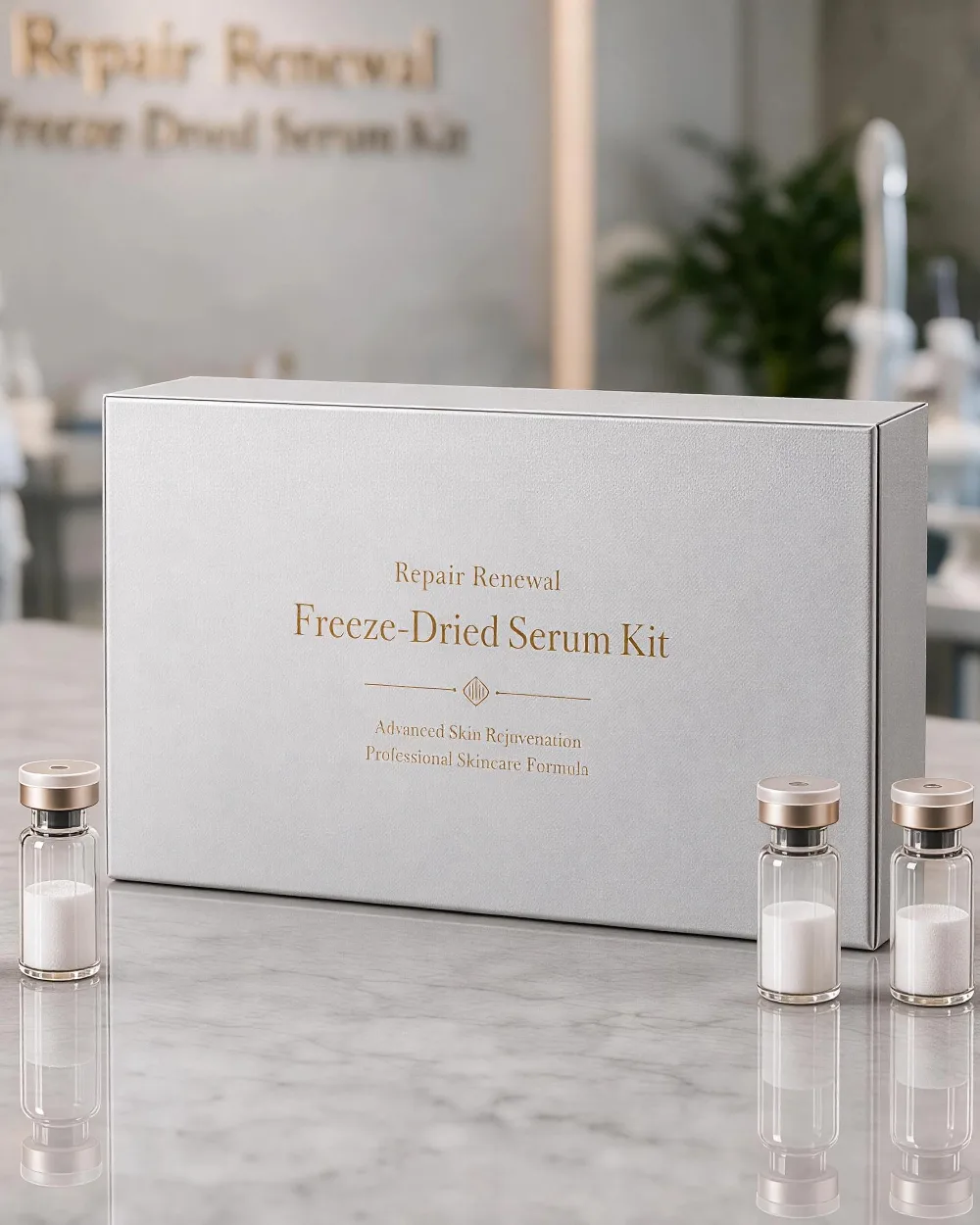
Freeze-Dried Serum OEM: Collapse Temperature Decides Your Cost
A lyophilised serum quote is really a quote for machine hours, and the formula's collapse temperature sets how many. Tg′ vs Tc, why published values shift with heating rate, USP <921> moisture methods, MOQ 3,000–5,000 sets, 50–70 days.
Read Article →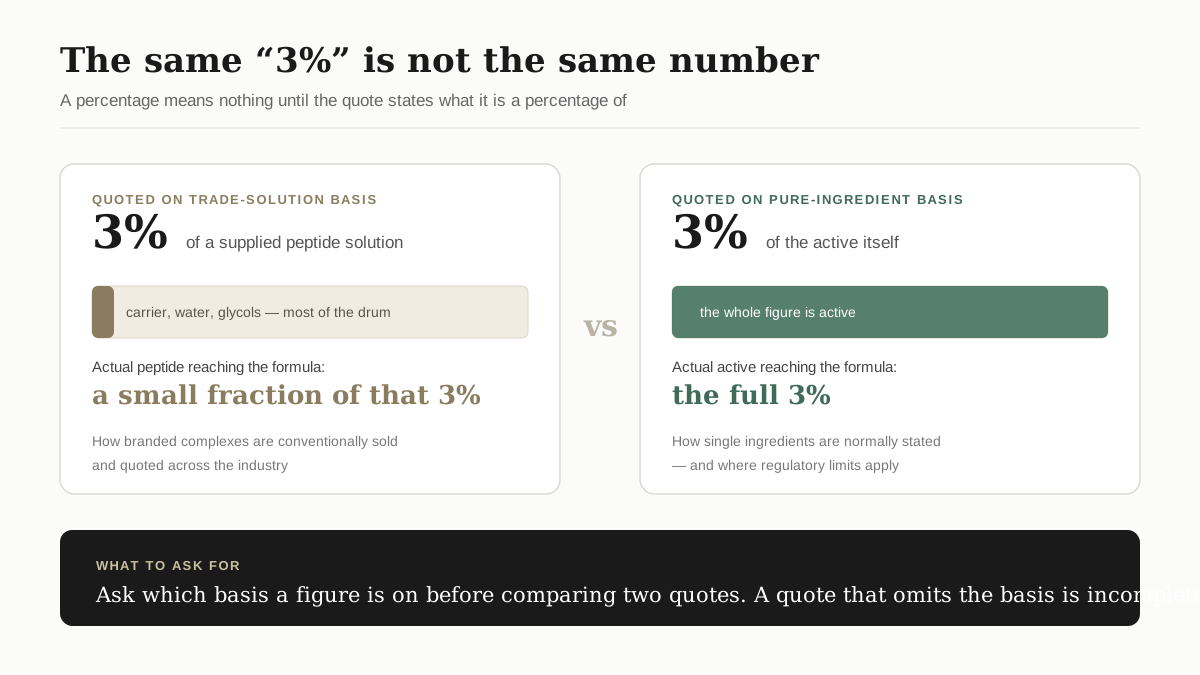
Anti-Aging & Firming Skincare OEM: Peptide Dosage Tiers
Anti-aging OEM quotes differ tenfold on the same 3% peptide because trade-solution and pure-peptide bases are not the same number. Dosage tiers, claim limits and lead times.
Read Article →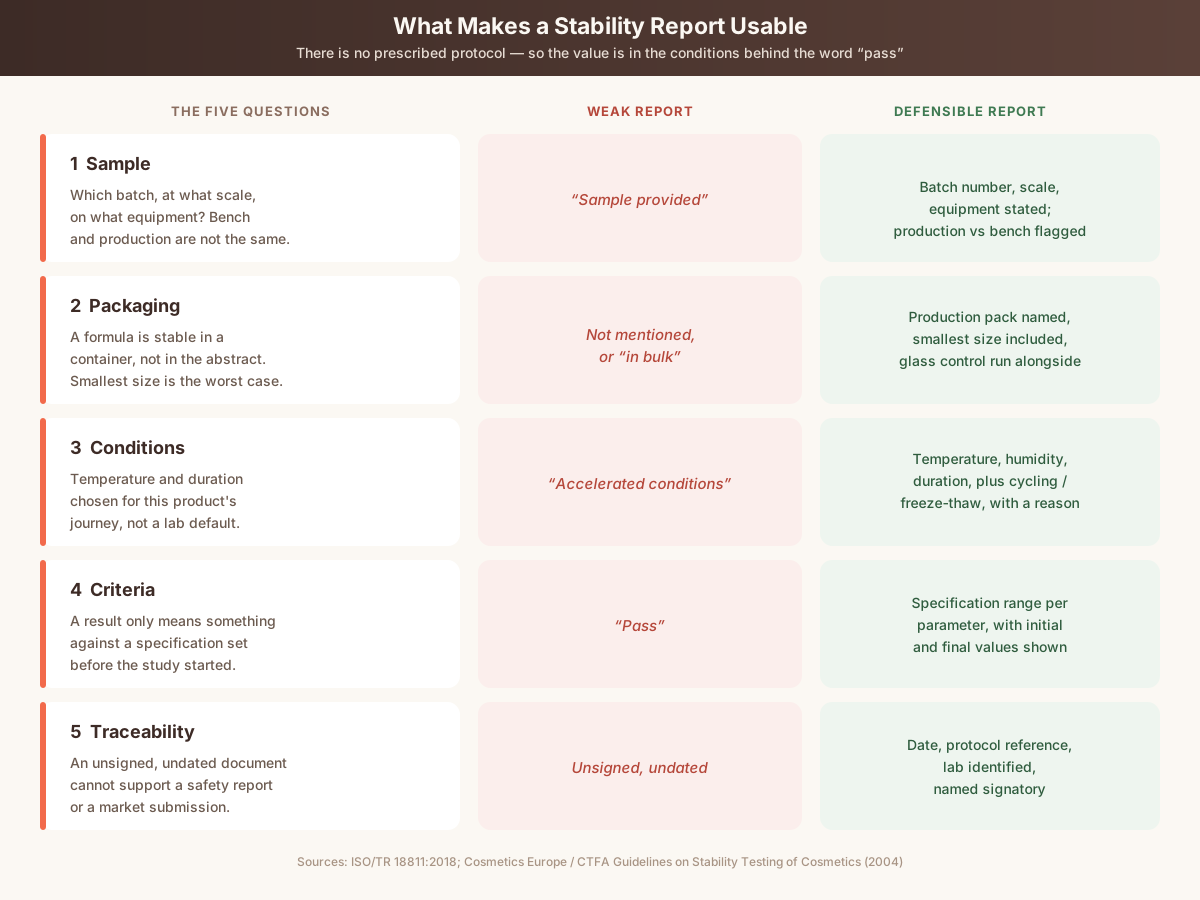
How to Read a Cosmetic Stability Testing Report (2026)
There is no legally prescribed protocol for cosmetic stability testing, so a report that only says "pass" tells you almost nothing. The five things to check before you trust a shelf life.
Read Article →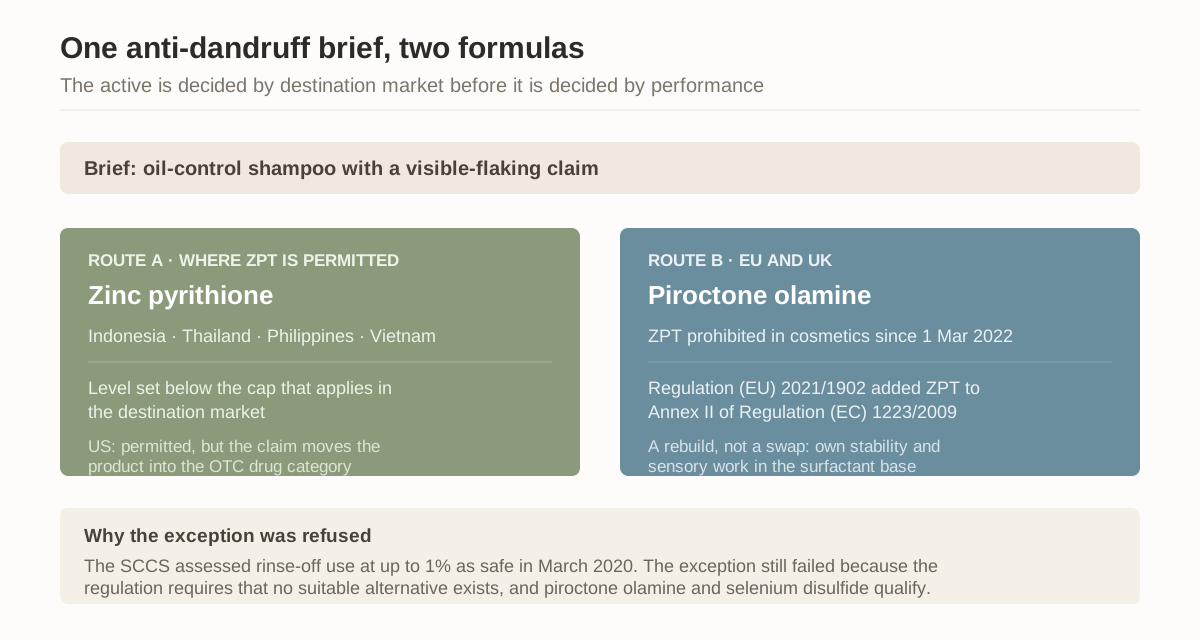
Oil Control Shampoo Manufacturer: OEM Formulation Guide
Oil control shampoo manufacturing explained: why stronger cleansing backfires, how the surfactant system decides day-two performance, real MOQ and lead times.
Read Article →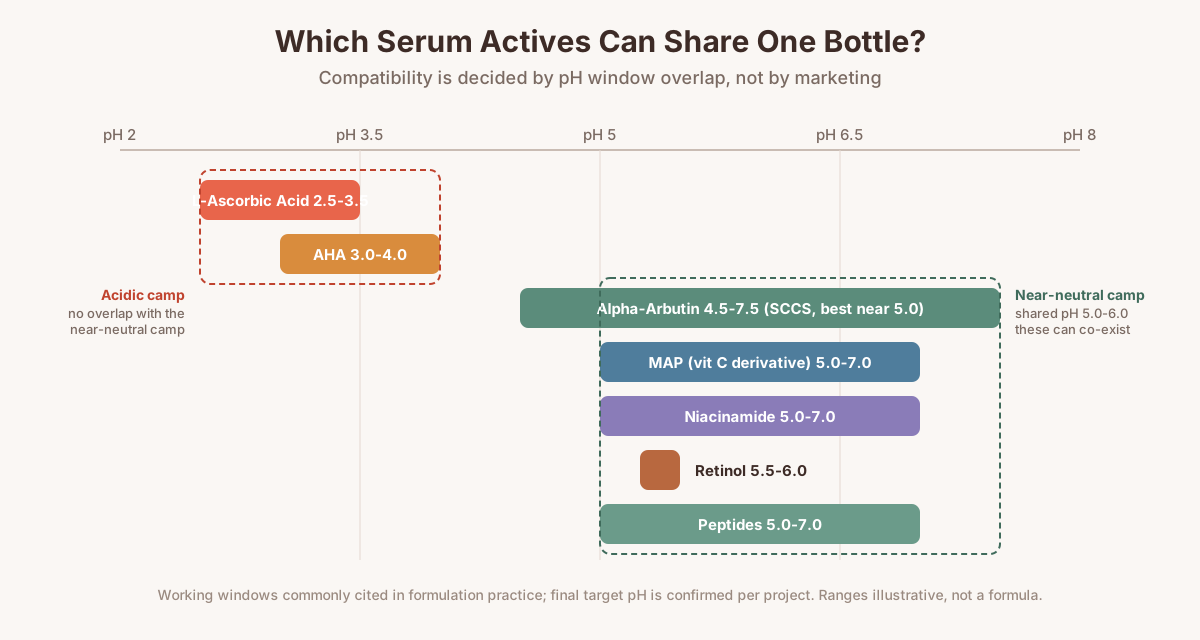
Face Serum Manufacturer: OEM & Contract Manufacturing Guide
Face serum manufacturing explained: stock versus custom formulas, the pH-window problem that decides whether your actives can share one bottle, MOQ and cost.
Read Article →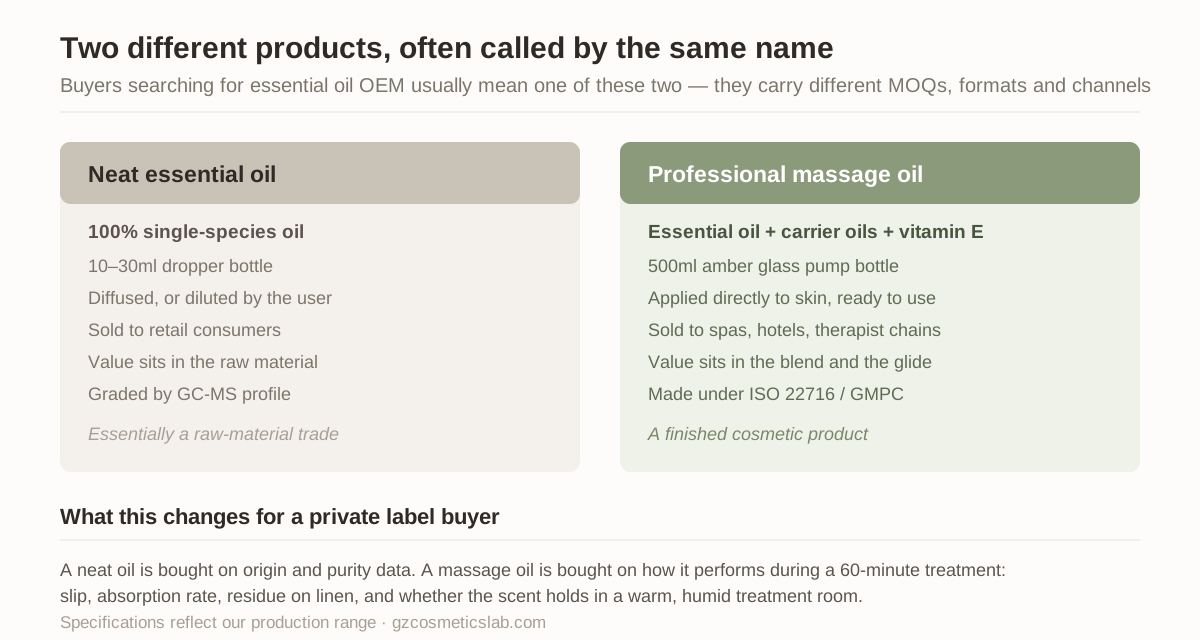
Private Label Massage Oil Manufacturer: Spa & Hotel Supply
Private label massage oil manufacturing for spa and hotel supply: why neat essential oil and professional massage oil differ, carrier oil selection, MOQ.
Read Article →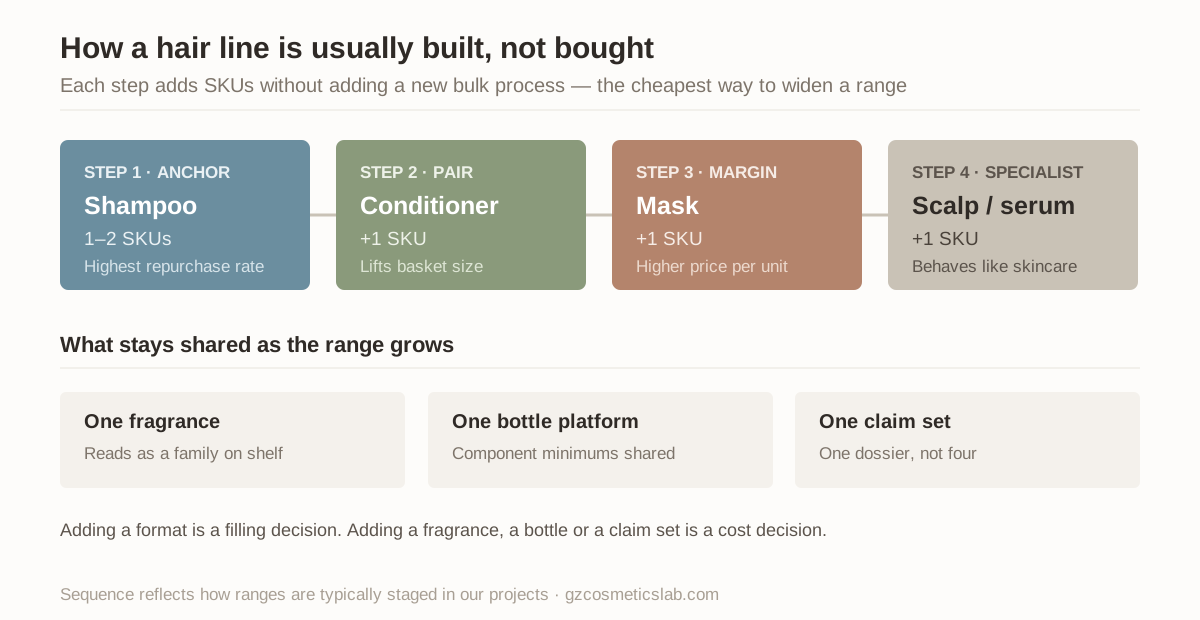
Private Label Hair Cosmetics: Building Your OEM Range
Planning a private label hair cosmetics range: which SKU to anchor with, how many products to launch, and what stays shared across a range to control cost.
Read Article →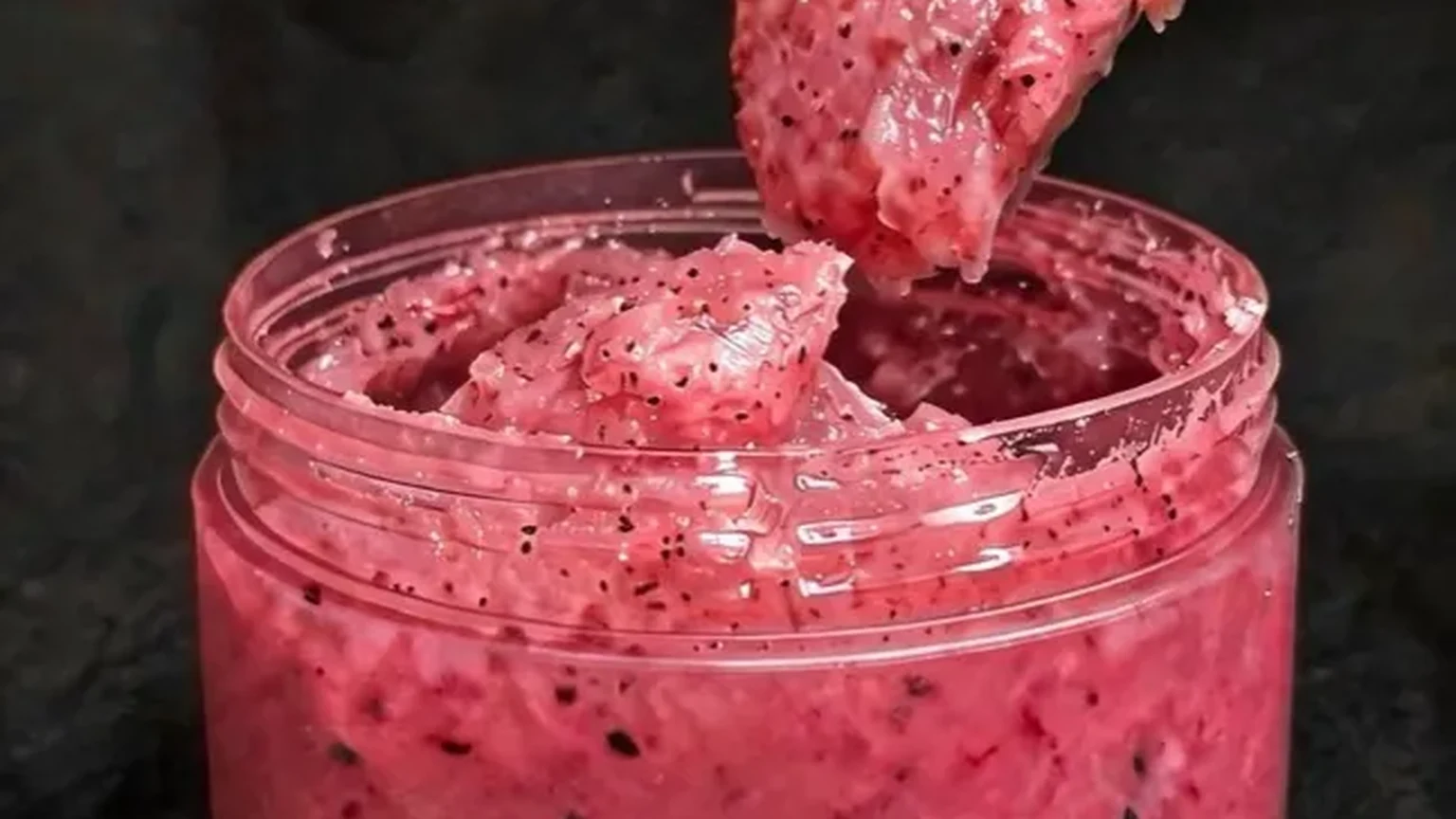
Private Label Body Care: Body Wash, Lotion & Scrub OEM
Private label body care economics: why a 300ml lotion is not ten times a 30ml serum, where MOQ of 2,000-3,000 pieces comes from, and why actives cost less.
Read Article →
Organic Private Label Cosmetics: Certification Explained
How organic private label cosmetics are certified: USDA NOP vs COSMOS thresholds, why water caps your organic percentage, and what a factory must supply.
Read Article →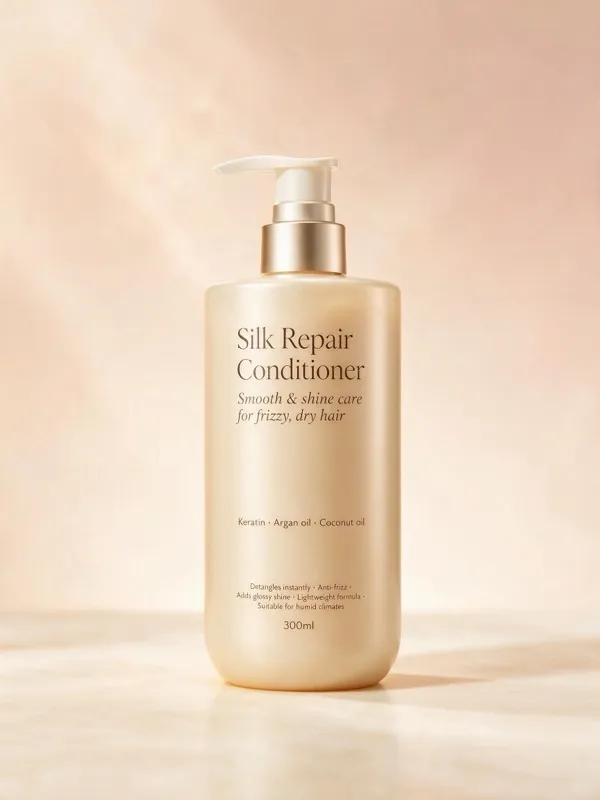
Private Label Hair Care: OEM Shampoo & Conditioner
Private label hair care OEM: what is adjustable in shampoo, conditioner, hair mask and scalp serum, how MOQ shifts with filling line, and where claims stop.
Read Article →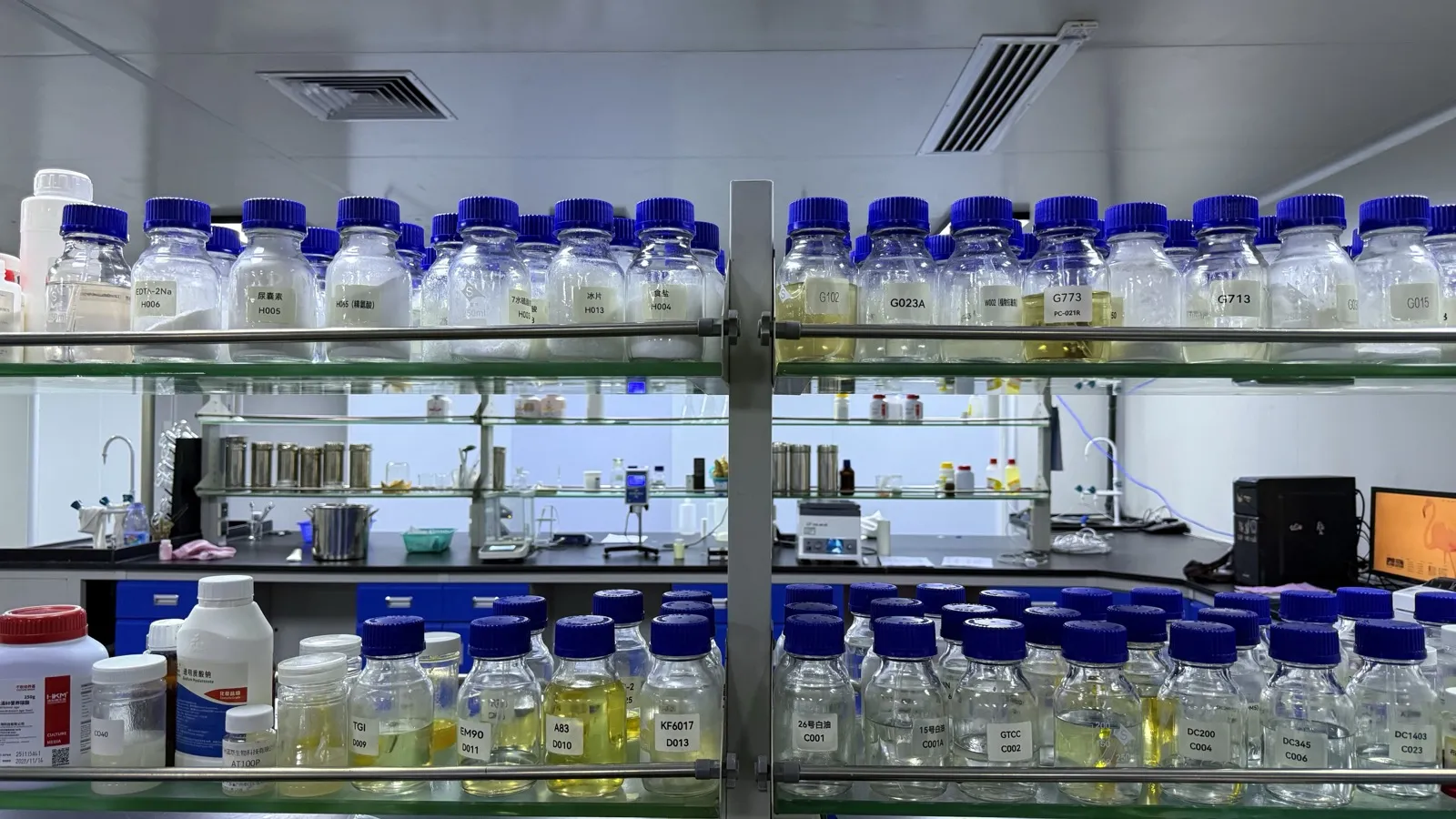
Vegan Private Label Cosmetics: OEM Manufacturing Guide
How vegan private label cosmetics are made: certification criteria, animal-derived ingredient substitutions with INCI names, and the documents certifiers want.
Read Article →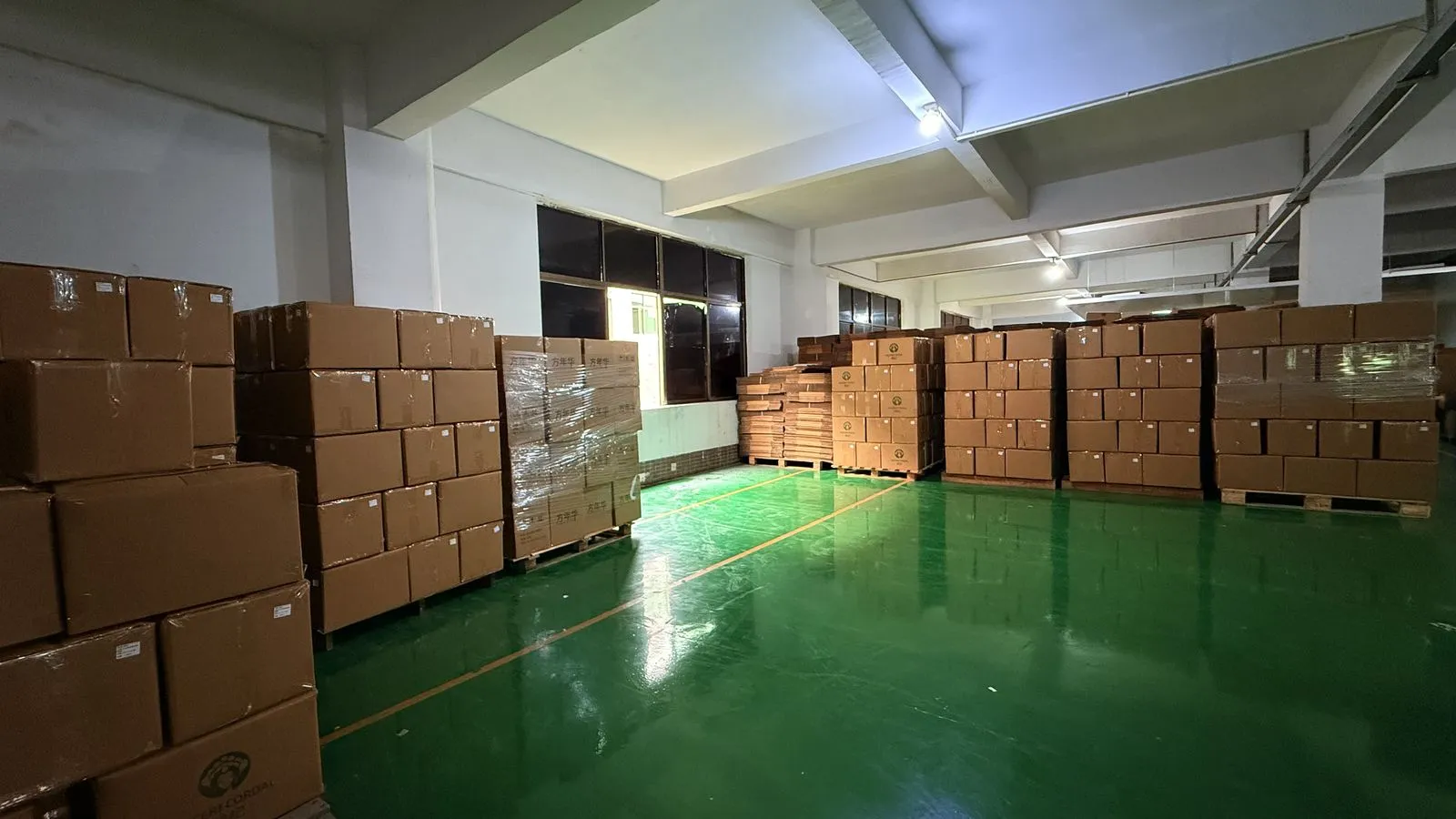
Hair Care & Body Care OEM for Tropical Markets
Hair care OEM for tropical markets: how humidity and hard water change a formula, why anti-dandruff demand is regional, and what to test before you commit.
Read Article →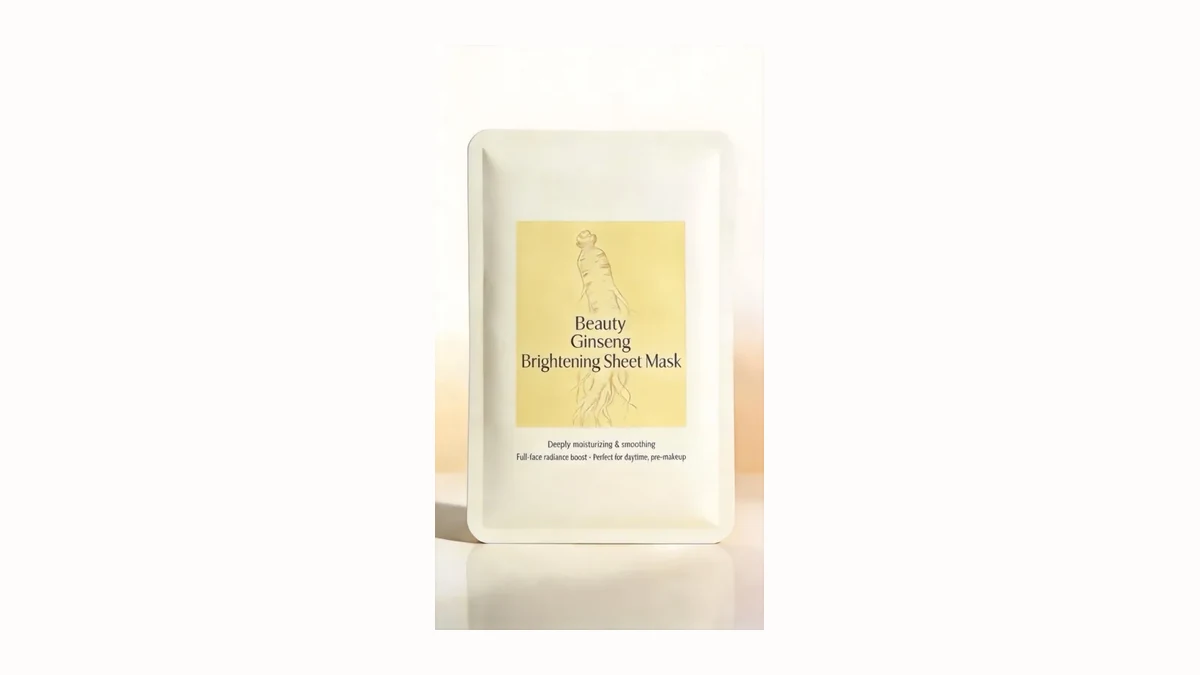
Private Label Sheet Mask Manufacturing for ASEAN Brands
Private label sheet mask manufacturing for Southeast Asia: materials, serum actives, low-MOQ production, packaging, and what makes a mask go viral.
Read Article →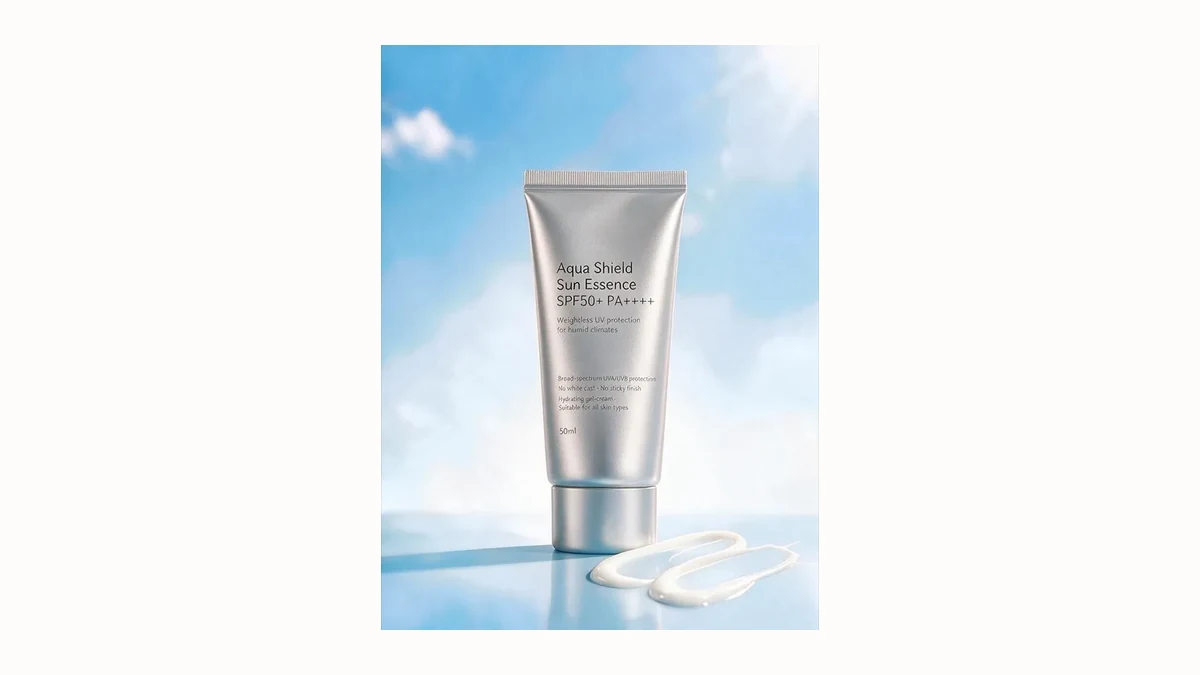
Sunscreen OEM for Southeast Asia: SPF50+ Tropical Formulas
Guide to tropical sunscreen OEM: SPF50+ filters, SPF/PA testing, ASEAN regulations, no-white-cast formulation, and Halal capability for Southeast Asia.
Read Article →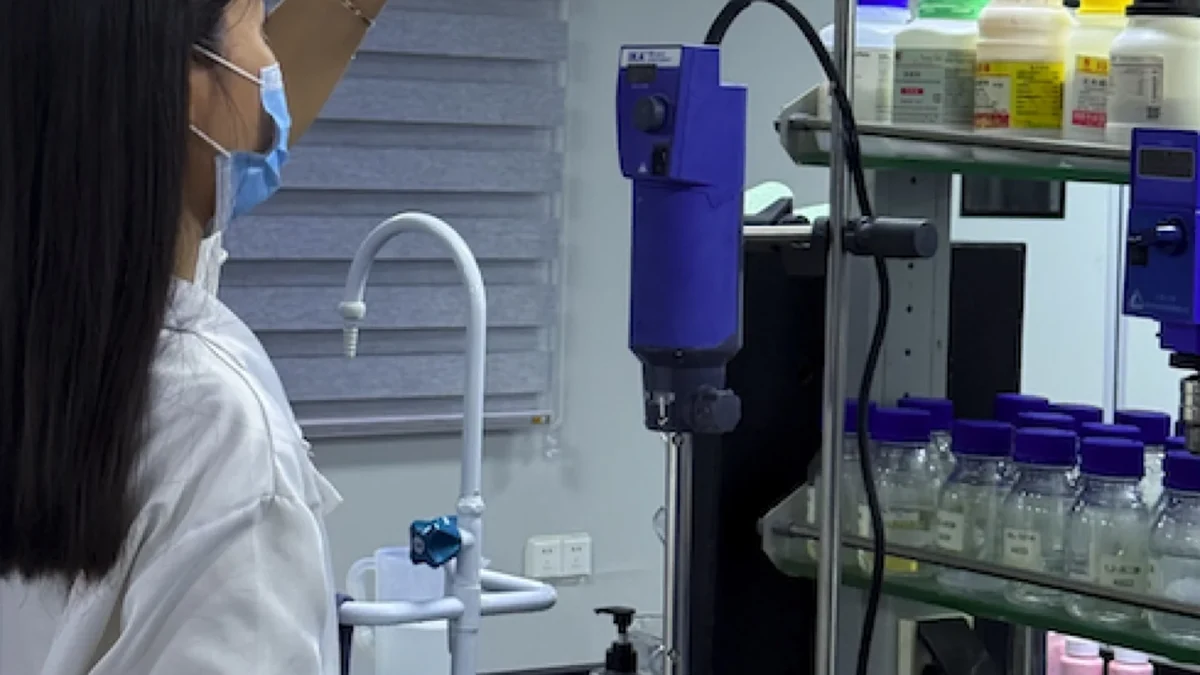
Best Skincare Ingredients for Tropical Climate
The best skincare ingredients for tropical climate formulation: niacinamide, hyaluronic acid, centella asiatica, delivery tech, and ASEAN market preferences.
Read Article →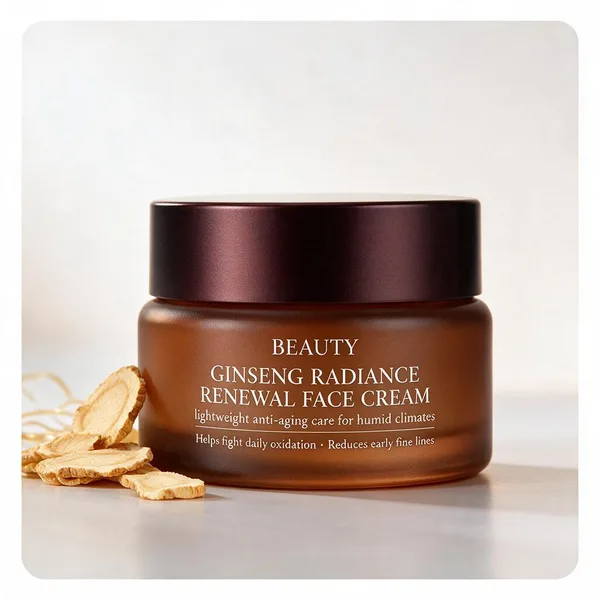
Whitening & Brightening Cosmetics OEM Manufacturer
OEM whitening and brightening products: which actives are permitted in which market, why claims decide your regulatory route, and realistic MOQ and lead times.
Read Article →Skincare Formulation Trends: PDRN, Exosomes & Ectoin
Guide to next-generation skincare actives: PDRN, plant exosomes, ectoin, ergothioneine, and S-Pro-Xylane. How they work and how to source them for your brand.
Read Article →Have a Question We Haven't Covered?
Our team is happy to answer specific questions about cosmetics manufacturing, sourcing, and compliance.
Ask Us Anything